
What is RSV? There is a lot of fear surrounding this virus. Understand the symptoms of RSV and how homeopathy can offer support.
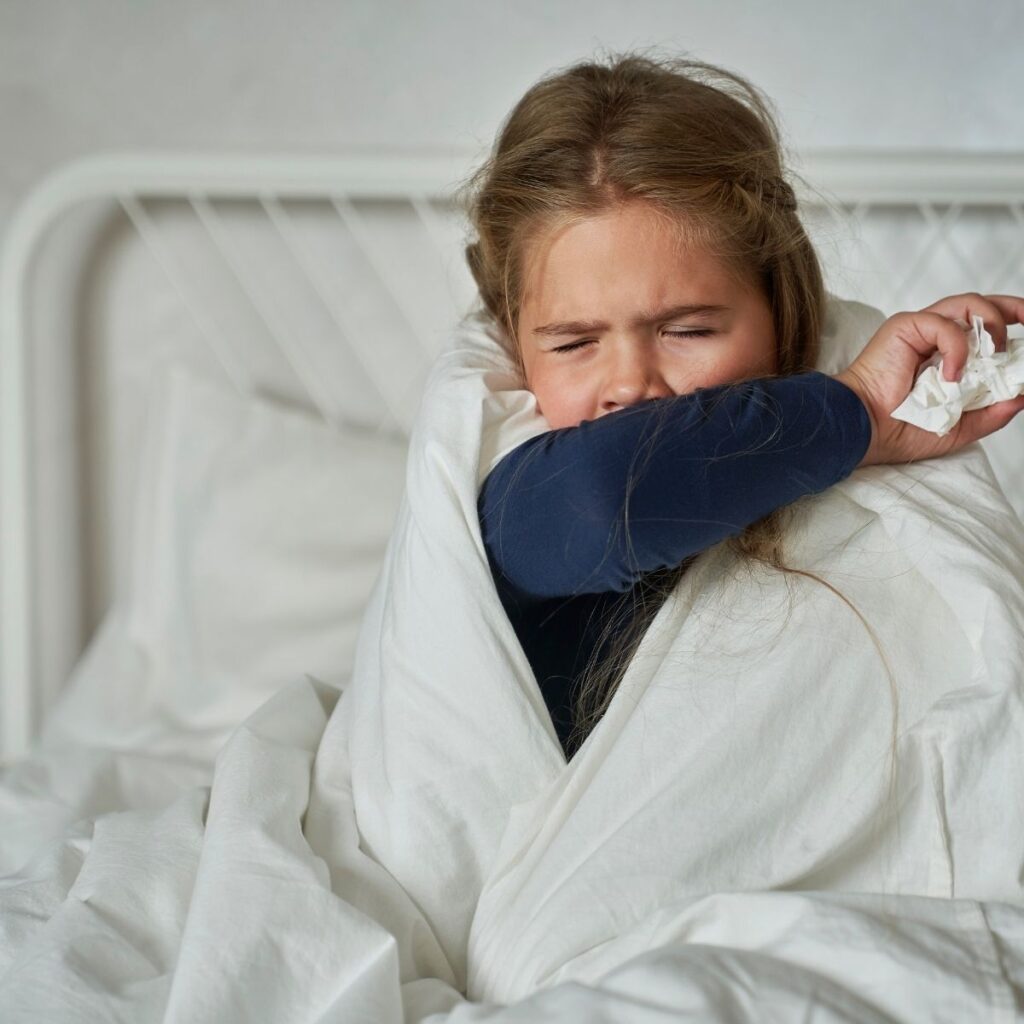
RSV, an acronym that strikes fear into mothers everywhere. Many of us are afraid without actually knowing what RSV is, it’s level of threat, or what we really should be concerned about.
My hope is after reading this article you will have a deeper knowledge about this virus and also feel more empowered when it comes to caring for members of your family who might contract it.
What is RSV?
RSV stands for Respiratory Syncytial Virus. According to Johns Hopkins website, RSV is a common virus that affects children and adults. Most children usually contract RSV before the age of two. RSV is typically not a serious condition.
The information that Johns Hopkins shares seems to be in conflict with what we hear from the news and media outlets on a yearly basis. Unfortunately we are bombarded with news articles with headings like “Rise in RSV” the “RSV Surge-why it’s different now than in the past”.
This type of fear mongering from the media really stokes my mama bear instincts, to put it nicely. RSV is a virus that has been around for years. It’s not something scary and new on the scene. As mothers and caregivers I believe it’s important for us to silence the noise and fill our minds with the facts. So let’s talk about the facts.
How do you get RSV?
Like most common illnesses the peak time of contracting it is during the fall and winter season. It is a very contagious virus and is spread by contact with the fluids of an infected person. (cough, sneeze, etc.)
What are the symptoms of RSV?
Lets share a few more facts about RSV so that we can be knowledgeable concerning this infection. RSV is a respiratory sickness that can cause inflammation in the lungs. Here is a list of the most common symptoms:
- Runny nose
- Coughing
- Sneezing
- Wheezing
- Decreased appetite
- Low fever
I do want to be clear. In some cases RSV can turn into a serious infection, especially in infants. If you notice any of the symptoms below please seek medical attention.
- High fever
- Worsening cough
- Wheezing
- Nostril flaring or chest muscles visibly pulling in and out, signaling breathing issues
- Irregular or rapid breathing
- Blue coloring of skin (lips and fingers)
- Tiredness
- Trouble eating, drinking or swallowing
Again, according to Johns Hopkins, most people who contract this virus will have mild symptoms, similar to the common cold.
Is RSV Dangerous?
Can RSV be dangerous? Yes, it can be. Particularly in infants younger than one year old whose lungs are still developing. It can also pose a problem for a small percentage of individuals who are considered high risk. However, overall for the vast majority of the population RSV is not something that we need to be overly concerned about and definitely not fearful of.
Let me be clear, I in no way desire to demean the seriousness of an infant coming down with RSV and how scared a mother feels when their child can’t breathe properly. The point I am striving to make is that we wouldn’t want our infant to contract any kind of sickness period, whether it be influenza, a stomach bug, etc. Most viruses are serious when contracted by someone as small as an infant. Don’t allow the media to fill your mind with fear around this one particular virus.
How Can Homeopathy Offer Support
Now that we know a little more about the infection in general, lets talk about how homeopathy can help. We know that when using homeopathy we pay attention to the symptoms of the individual. Each person who contracts a virus may present symptoms differently and oftentimes they evolve over time.
RSV effects the respiratory track and can settle into the upper and lower lungs. In more severe cases it can lead to bronchitis and pneumonia. Let’s take a look at a few remedies that are beneficial for the lungs during these types of infections.
Antimonium tartaricum
Antimonium Tart is a medicine that can help when there is rattling of mucus in the chest when breathing. The lungs might seem to be full of mucus but the person infected isn’t able to expel the mucus. You might notice the person coughing and gasping for breath. The breathing of this individual may be rapid and short. This is also a remedy known to help with severe pneumonia.
Ipecacuanha
Ipecac is a remedy to consider when a person suffers from a suffocative or strangling cough. It’s also known to help with Whooping cough. There might be constriction in the chest that is worse from movement. There is an accumulation of mucus and the person gasps for air at an open window. This remedy is known to help with conditions of croup, bronchitis and pneumonia.
Bryonia Alba
Bryonia is a polycrest remedy. It is deep acting and can have an effect on many parts of the body. The person who may benefit from this remedy may experience sharp pains in chest when trying to take deep breaths or coughing. Usually the type of cough that this remedy addresses is a dry, hacking cough. Being in a warm environment will make the coughing worse and when experiencing a coughing fit the person often holds there chest because of the pain. There may be a desire to take a deep breath but the person is not able to because it brings on a coughing attack.
Phosphorus
Phosphorus is a medicine that can help with a variety of lung disorders. A person in need of phosphorus may feel like there is a weight on their chest and their breathing may be quickened. Often times there will be a heat sensation felt in the chest as well. The least type of motion will negatively affect the breathing of this person. When phlegm is expelled it can often be blood tinged or rust color.
Confidently be the Homeopath of your Home
The homeopathic medicines mentioned above are some of the top remedies to consider if someone is infected with a viral respiratory condition like RSV. Homeopathy is such a vast medicine, which makes it amazing on so many levels. There are many other remedies that can prove beneficial as well. Always be sure to do your due diligence as the homeopath of your home to reference your materia medica and repertory to make sure your symptoms match the remedy that you choose to administer.
I hope that you have gained some knowledge around the infection RSV and feel more confident as we enter the fall and winter season to care for yourself and your family using homeopathy. As wives, mothers and caregivers let’s not be fearful, but prepared!
“By failing to prepare, you are preparing to fail.”
-Benjamin Franklin
Grab my FREE e-book below to learn more about homeopathy and how it can offer support to yourself and your family.
This information is for informational purposes only. No material is intended to be a substitute for professional medical advice, diagnosis or treatment. Always seek the advice of your physician or other qualified health care provider with any questions you may have regarding a medical condition or treatment and before undertaking a new health care regimen. Please never disregard professional medical advice or delay in seeking it because of something you have read in this correspondence.
Leave a Reply