
Learn why the cast iron skillet is the best choice of cookware for pan performance, health benefits and taste of food.
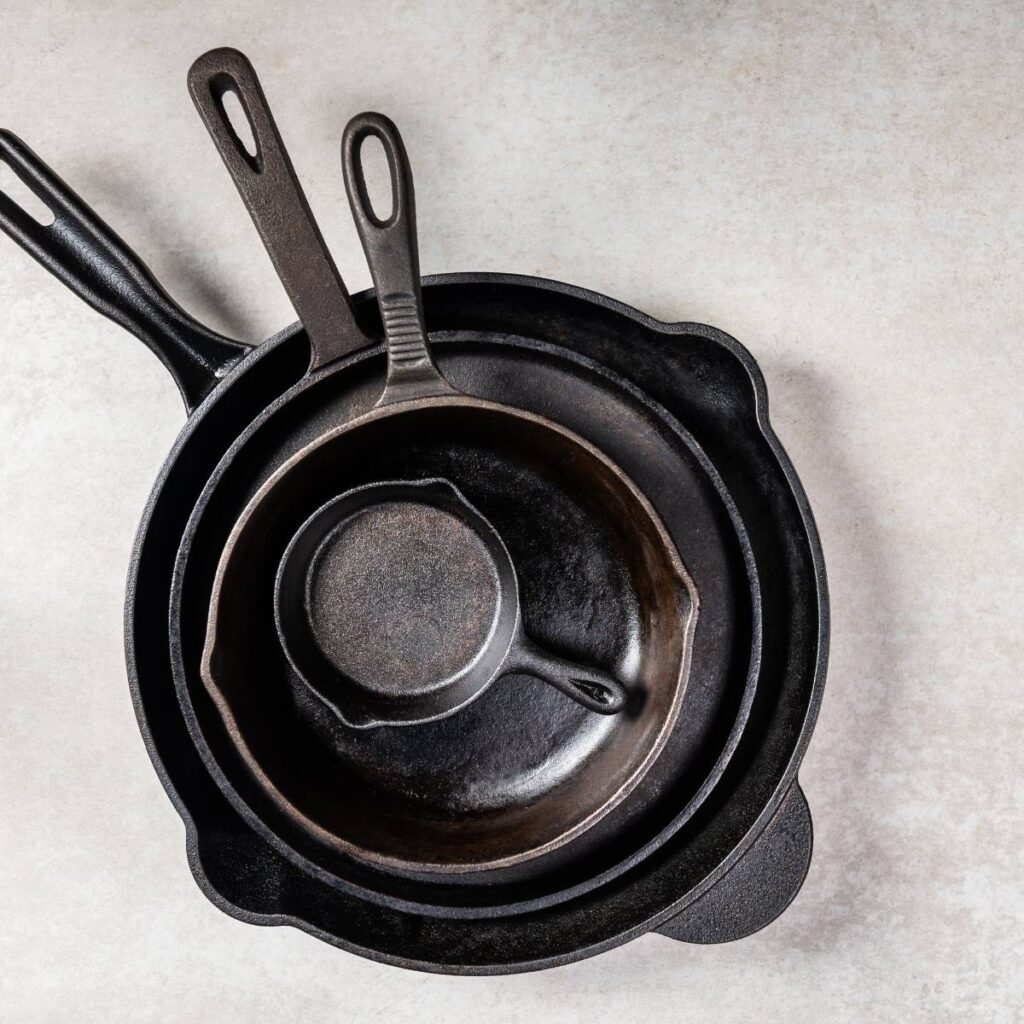
If you would have talked to me ten years ago I wouldn’t have known the first thing about cooking with a cast iron skillet. I mean, why would anyone want to cook with “outdated”, bulky cookware like cast iron?
Well I have learned a lot in the past ten years concerning health, cooking from scratch and the beauty of old and I am here to share all that I have learned with you.
I started cooking with cast iron about five years ago and I haven’t looked back since. Cast iron will be my go to cookware for the rest of my life and the beauty of it is, my cast iron skillets will last for the rest of my life. As well as my children’s lives and my children’s children.
When was cast iron invented?
Cast iron has been used for over a thousand years. History tells us that this type of metal cookware was used in many Asian countries such as Japan and China. The type of cast iron skillet that many of us are familiar with today came into being in the late 1800’s.
Where did all of the skillets go?
In the 1960’s and 70’s there was a surge in production of a new type of modern cookware. This is the type of cookware I was raised with and used myself as an adult. Aluminum cookware with a slick teflon coating took over as a convenient, aesthetically pleasing option, with a slick non stick surface. This new cookware was all of the rage and because of its popularity cast iron slowly slipped away.
Why is cast iron the best choice for cookware?
I was introduced to cast iron by my grandmother who happens to be Japanese. She had brought this big heavy black pan with her from Japan and she gave it to me. If I’m being completely honest, I brought that pan home and shoved it in the back of my cabinet, thinking I was never going to use it. Fast forward a couple of years as I began to learn more about holistic living and cooking from scratch. I pulled that generational pan from the back of the cabinet and that skillet now sits proudly on my oven and me and my family use it every day. Here are the top reasons I believe the cast iron skillet is the best choice for cookware.
1. Durability
Like I mentioned before, cast iron lasts a lifetime and beyond. It is generational cookware that can be passed down. You don’t have to worry about your cast iron breaking or being damaged. It is extremely durable and can withstand high heat.
2. Versatility
Unlike modern cookware, that is very single purpose, cast iron is extremely versatile. You can make gravy, saute vegetables and sear your favorite meats on the stove top. You can also cook and bake things within the oven in your skillet. I have personally made a variety of dishes in my skillets from casseroles to cinnamon rolls.
3. Health Benefits
Most modern non stick cookware is very unhealthy for you. Aluminum pans coated with non stick Teflon are made with carcinogenic material that leaches into your food while cooking. Thankfully this is not something you have to worry about with cast iron.
Cast iron skillets actually add something beneficial into your food. When you cook with cast iron your food absorbs some iron from your cookware. The type of iron that increases in your food cooked in cast iron is called non heme iron. This is the same type of iron that is in leafy vegetables. Although the amount of iron you will take in from cooking in cast iron isn’t enough to improve an iron deficiency it is still beneficial.
4. Non-Stick Surface
Cast iron may not be as well known for it’s non stick surface as teflon coated pans but the non stick ability of cast iron is actually greater than other cookware if cared for properly. Cast iron does have to be seasoned and taken care of appropriately in order to maintain its non stick ability but if you do it right you will be amazed at it’s non stick capabilities. The more you use these amazing pans the more non stick they become. They just keep getting better with age.
5. Delicious Food
Now just because you choose to cook in cast iron doesn’t mean your food will automatically taste delicious but the potential is definitely there. Cast iron absorbs heat evenly and retains that heat through the entire cooking process. This even heat distribution enables your food to cook evenly and throughout. Patience is key when cooking with cast iron. You want to allow your pan to become thoroughly hot in order for whatever you are cooking to come out best.
How do you care for cast iron?
Like I mentioned before, cast iron skillets must be seasoned in order to protect them and provide a non stick cooking surface. Some skillets come pre-seasoned and others must be seasoned before use.
To season a skillet you place a small layer of oil on the pan, both inside and out. You want to make sure you use an oil that has a high smoke point. Some examples of these types of oils are avocado or coconut oil. Once you have oiled the skillet you place it in the oven upside down and allow the oil to bond to the metal. For more detailed instructions on how to season your cast iron skillet with step by step instructions, check out my article HERE.
If you care for your pan properly you should only have to season it a couple of times a year. Some people choose to rub a small amount of oil into the pan after every use to help maintain its non stick surface. This is not necessary, only a preference for some.
How do you clean cast iron?
When cleaning your cast iron skillets there is really only two things to avoid.
- Chemicals – such as soap
- Abrasive cleaning tools – such as steel wool
Cleaning your cast iron cookware should be pretty straightforward and simple. You can choose to just wipe it out after cooking or you can rinse it with some water. If rinsing with water be sure to dry thoroughly. Moisture is harmful to your pan and can cause rust. Drying your pan and applying a thin layer of oil helps prevent rust development.
What foods should not be cooked in cast iron?
The only foods that are suggested not to be cooked in cast iron are acidic foods such as lemons or tomatoes. This is because acidic foods interact with the iron of the cookware and can slightly change the flavor of the food as well as take away from the non stick coating. I personally have cooked tomato sauce in my cast iron skillet and haven’t noticed any type of flavor change. I usually just don’t cook it for a long periods of time though. If your skillet is well seasoned the acidic foods will have less interaction with the pan.
Are there any downsides to cooking with cast iron?
If you are asking me I would say no. There are a couple of things to be aware of. When cooking with cast iron the handle and pan are one solid piece of metal, so the handle will get hot. You can easily get a cover for your skillet handle to protect your hand from the heat.
One other thing to consider is that cast iron is significantly heavier than other types of cookware. I wouldn’t say this is a con, it’s actually a plus. You gaining muscle strength while cooking delicious food in amazing cookware.
I hope I have convinced you that cast iron skillets are the best choice of cookware out there, past present and future. Comment below and let me know why you love using cast iron.
Leave a Reply